Chapter 12: Infectious Conditions

Chapter 12 told us all about infectious conditions, their risk factors, and the role of mindfulness. Most of these diseases are caused by a combination of internal and external factors, making them “multifactorial”. Our bodies have a natural defense system against the pathogens that cause these diseases: our skin, tears, saliva, respiratory and urinary tracts, stomach, large intestine, immune response, and blood and lymph all have specific jobs in acting as barriers between us and disease. Infection is a process that involves various risk factors. As we’ve learned in earlier chapters, there are some risk factors within our control, and some that are not. We can control managing our stress, eating right, getting enough sleep, and avoiding drug use. However, we cannot control our genes, age, environmental factors, or drug resistance. The chapter also discusses the importance of mindfulness in defense against illness. It can have a positive effect on immune functioning, as emotions and immune function can have a direct effect on each other.

The immune system is what protects us from illness. Immunity is the process by which we can resist a disease by counteracting the disease producing substance. Antibodies fight antigens, humoral immunity is the major line of defense, and in cell-mediated immunity, lymphocytes attack the foreign invaders. The chapter gives a more detailed look into this immune response. In bad cases, the immune system attacks itself, resulting in autoimmune disease.

Chapter 12 also discusses a topic that I have a relatively unpopular opinion towards: vaccination. I guess I identify as an “anti-vax”to a certain extent. I believe infants should get their initial shots to GET an immune system, but I believe after that there is no need. The body knows what it’s doing, and I see vaccines as artificial intervention with a natural bodily system. Vaccines are less dangerous forms of the illness that are introduced to the body. It is broken into artificially acquired active immunity, naturally acquired active immunity, and naturally acquired passive immunity.

Bacterial infections are another topic of discussion in chapter 12. Some key infections include: staph, strep, meningitis, pneumonia, TB, and tick-borne diseases such as lyme disease and typhus.

Viral infections include mono, hepatitis, herpes, mumps, measles, and rubella. Viruses are 1/500th the size of bacteria. They invade the hosts with their own DNA and RNA to force host cells to reproduce the virus. The cold and flu are also two viral diseases. The key with these two is to know when it is one or the other. The chapter gives a detailed checklist to aid in making this determination. The chapter also tells us about other pathogens to be concerned with. A scary fact is that the rate of infectious diseases have increased drastically over the past decade. Diseases like west nile virus, bird flu, E-coli 0157:H7, ebola, and malaria are becoming more prominent. This could be due to the rise of antibiotic resistance. To avoid this, get regular vaccinations, take medications responsibly, use regular soap to wash hands, and avoid antibiotic treated foods.

The chapter also goes into a relatively taboo topic: sexually transmitted infections, or STI’s. There are more than twenty known types of STI’s including HIV and AID’s, chlamydia and gonorrhea, syphilis, herpes, HPV, and many others. Each disease comes with its own host of symptoms, complications and treatments. These are all outlined in detail in the chapter. There are various roots of transmission with all different kinds of sexual acts. To avoid contracting these diseases, be mindful about your sexual health. Do not engage in careless, high risk behaviors such as unprotected sex and direct contact with bodily fluids. Overall, just be smart.

This chapter touched on a couple different hot subjects for me. Vaccination, as I mentioned earlier, is not something I believe to be beneficial outside of infancy when illness is only just being introduced to their systems. My parents let me start choosing whether or not I wanted to get my shots when I was 12 years old. I haven’t gotten a vaccine since then and I rarely ever *knocks on wood* get sick. Even when I do get sick, my immune system usually burns it off in two to three days. I understand that I may not be a common case, but I am a firm believer that a strong immune system can be built through physical activity and an overall healthy lifestyle, not by artificially manipulating disease strains and injecting them into our bodies. Sexual health and sexually transmitted disease is another topic I think should be discussed more openly. I think that rates of transmission of these diseases would drop significantly if people would just talk about their health. A conversation should be easy with someone you’re about to see naked, right? But for a lot of people, talking to each other about sex is perceived as more difficult and uncomfortable than the act itself. Sex, in general, needs to be discussed more openly, with each other and our doctors. It is so easy to get tested and so important. Granted, if you feel a risk you probably shouldn’t pursue it. However, mistakes happen and you need to be ready to address them openly.

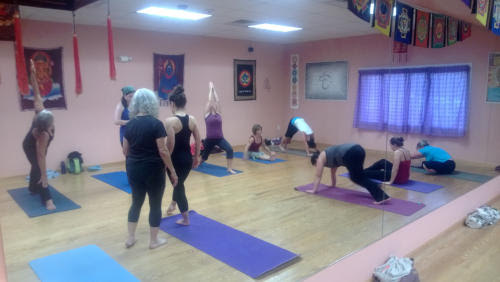
This week, I am continuing to follow my healthy diet and exercise regimen. I have been getting more involved in yoga, which I have come to enjoy very much. I find that it works well with my more vigorous gym workouts by complimenting the muscle building exercises with stretches to calm them down. It also has given me a lot of peace of mind, which better helps me manage my stress. As we’re nearing the end of the semester, I find that instead of becoming less stressed, I am a basket case. So, continuing my yoga practice combined with my gym and diet routine, will help me to keep a level head and finish this semester with my sanity intact. Namaste!

Chapter 11: Cardiovascular Disease, Cancer, and Diabetes

Hey, everyone. I’m sure you will all agree with me that this was a pretty meaty chapter, but with the topics it was to be expected. Chapter 11 takes a step back from focusing on fitness and nutrition to discuss cardiovascular disease, cancer, and diabetes. The cardiovascular system is literally what keeps our blood flowing. The heart is responsible for transporting nutrients, oxygen, waste, hormones and enzymes, and helps to regulate our body temperature, waste levels, and acidity levels. It also helps defend against toxins and harmful microorganisms. The system is made up of arteries and arterioles, capillaries, veins, and venules that all work together to carry out all of these important tasks.

When the system doesn’t work properly, cardiovascular disease becomes a concern. The disease accounts for 33% of U.S. deaths, making it the leading cause of death each year. It is most common among men and women over the age of 80. Cardiovascular diseases include hypertension, which is associated with high blood pressure, atherosclerosis or coronary artery disease, which is associated with damaged arteries, coronary heart disease, which is the leading killer associated with clots and blockages, and stroke, which occurs when the blood supply to the brain is cut off.

Metabolic syndrome is the greatest contributor to CVD and comes with a host of risk factors. These include elevated blood triglycerides, blood pressure, waist circumference and fasting blood glucose, and reduced blood HDL cholesterol.

Reducing CVD requires taking responsibility for your own habits and actions. Avoid smoking and maintain a healthy balance of diet and exercise. It is also important to monitor blood pressure and manage stress levels. However, risks like race, hereditary elements, age, gender, and genetic oriented risk factors cannot be changed or avoided.

There are a variety of ways to diagnose CVD including an ECG, or electrocardiogram, cardiac catheterization or aniography, and a position emission tomography, or PET, scan. Surgical treatment options for CVD include coronary bypass surgery, angioplasty, or insertion of a stent. There are also medications and drug therapies such as aspirin and clot busting therapy. After these treatments, there comes cardiac rehabilitation and recovery.

As if cardiovascular disease was not enough, cancer is also a big name on the list of killers in the U.S. Cancer occurs when something interrupts normal cell programming and uncontrolled growth and abnormal cell development result in a neoplasm, which is a new growth of tissue serving no physiological purpose. These are what we know as tumors, which can either be benign, noncancerous, or malignant, cancerous. To determine whether a tumor is one or the other, a biopsy is conducted to assess cell development. Metastasis is when the cancer cells enter the bloodstream and form tumors in other parts of the body.

The four different types of cancer talked about in this chapter are carcinomas, sarcomas, lymphomas, and leukemia, which all present in different layers of the skin. Risks of developing these cancers are categorized into hereditary risk and acquired, or environmental, risk. Lifestyle risks are associated with personal choices such as smoking and drinking. As we realized before, genetic and hereditary risks cannot be avoided.

Lung cancer is the leading cause of cancer related death among men and women in the U.S. The chapter highlights the symptoms, detection methods, and treatment. Symptoms include cough, chest and back pain, and attacks of pneumonia or bronchitis, and treatment is dependent on the type and stage of the cancer. Of course, smoking is a huge risk factor for lung cancer, and even quitting does not reduce risk of developing cancer. Chapter 11 also discusses rectal and colon cancer and breast cancer. Since I have a history of breast cancer in my family, that part of the chapter stuck out to me on a personal level. Prostate and testicular cancer are not a concern to me personally as a female, but skin cancer, being the most common form of cancer in the U.S. is always a concern. The ABCD rule for detecting skin cancer is a handy and simplified solution that was eyeopening to read about. The chapter should also serve as a reminder for all of us with summer coming up to remember sunscreen!

Being diagnosed with cancer is an impossible thing to hear, but luckily there are ways to cope with these diagnoses. Mindfulness-based interventions are proven to help patients cope with life after diagnosis. I watched my mother go through a diagnosis of ovarian cancer, and even though she has worked in the medical field for over thirty years, she still struggled with the news. She underwent a full hysterectomy and was lucky enough to come out cancer free, but not everyone is so lucky. Although there is no cure for cancer, we are lucky to be in an age of medical advancement and development of innovative cancer treatments. Some include sterotactic radiosurgery, radiotherapy, and chemotherapy.

Diabetes is not far behind CVD and cancer in severity. Experts predict that more than 1 in 3 Americans will have diabetes by 2050. Diabetes is associated with glucose levels and insulin production. The three types are diabetes mellitus, which is associated with high glucose levels, type 1, insulin dependent, and type 2, non-insulin dependent. To prevent diabetes, monitor your body weight and diet, sleep patterns, and stress levels. Unfortunately, genetic factors, age, and ethnicity cannot be changed, as they can’t in cancer and CVD risks. The chapter also discusses the symptoms and complications associated with diabetes, but luckily it also supplies us with a list of ways to treat and monitor diabetes.

This was a great chapter to read because of my personal history with lung and ovarian cancer and diabetes. This is one of the reasons I am very careful with my health and fitness. This week I am feeling good about my personal goal of increasing my muscle mass. I had my body comp done on Sunday night and found that I am down three pounds to 125.5 and my body fat is down to 21%. This is great news, and also is a healthy reminder that the number on the scale is not all that matters. I have only lost three pounds, but my my muscle mass has increased meaning that I have traded some of the pounds of fat I carried for muscle. I am also starting to actually see the results of my labor, which, combined with the positive test results, have encouraged me to keep pushing.

Chapter 10: Fitness

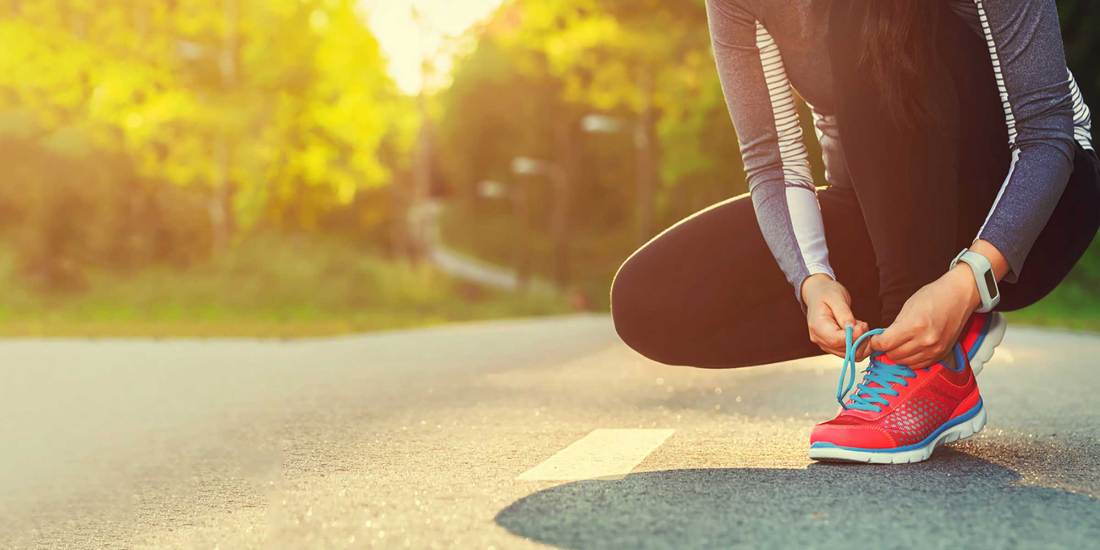
Hi everyone. This week was all about fitness and overall physical activity. The chapter broke down these two broad concepts into smaller, more understandable branches. It then goes to inform us of the health benefits and risks associated with physical fitness and exercise. These benefits include reduced risk of cardiovascular disease, metabolic syndrome and Type 2 Diabetes, and cancer. Regular physical activity also improves bone mass, reducing the risk of osteoporosis, weight control, immunity, back strength, and even has significant positive impact on mental health and managing stress. All of these benefits combined have been proven to result in a longer lifespan for those that engage in regular physical activity. Those who lead a more sedentary lifestyle have a harder time carrying out regular daily activities. I have always tried to take the stairs everywhere instead of the easier, often more convenient, alternatives. These small adjustments, just moving around more, contribute to overall better physical health.

There are, of course, different types of fitness, some of which cannot be seen on the surface. As we learned last week, people tend to focus on clear physical results; they want to have that perfect body. However, this chapter also highlights the importance of internal health and fitness. To follow a workout program to maintain or improve these aspects of health, such as cardiovascular endurance, flexibility, and muscle strength, begin by setting SMART goals. SMART goals are Specific, Measurable, Action-Oriented, Realistic, and Time-Oriented. These techniques hold you accountable for maintaining workout programs. Once you have set these goals, using the FIIT Principle is helpful in devising a workout plan. Frequency is how often you must exercise, Intensity is how hard your workout must be, Time is the minutes or repetitions required in your workout, and Type is the kind of exercise performed. The FITT Principle is discussed in this chapter in reference to measuring cardiorespiratory endurance, muscular fitness, and flexibility, giving detailed guidelines for a workout plan in each area. For example, frequency for cardiorespiratory endurance, muscular fitness, and flexibility is 3-5, 2-3, and 2-3 days per week respectively. The same level of detail is given for intensity, time, and type. Because of these detailed guidelines, the FIIT Principle is a great way of developing workout plans.

Having specific goals is key to staying motivated and maintaining physical fitness. Workouts should be individualized for every person, as everyone has different goals and reservations concerning physical activity. What if I’ve been too inactive? What if I can’t find the time? Many obstacles run through people’s minds when it comes to starting a workout regimen. Chapter 9 told us that Americans often look for the fastest, easiest option when it comes to eating. I think the same can be said for a workout program. However, there are many ways we can combat this common obstacle, as well as all the others people face such as social influence, lack of motivation, and lack of resources. Chapter 10 gives a handy list of solutions to these problems, and ways to maintain a mindful fitness plan. Some of these solutions seem trivial: motivate yourself, have a plan, etc. The most important piece of advise offered in this chapter, in my opinion, is having a plan. I see people all the time come into the gym with the “figure it out as I go” mindset. Having a detailed plan makes it easier to stay motivated because it gives you specific goals to meet. It is also important to make your plan progressive. Reassess your goals and progress every month or so to keep progressing. Doing the same workout for too long will result in a plateau, but switching it up will increase your fitness because you are training your muscles differently.

The core is arguably one of the most important muscles in the body. Strengthening your core can improve the way you carry out basic daily activities. Little things, like sitting up straight and improving your posture, can improve core strength. However, core strength is built through exercises like yoga, Pilates, and tai chi. Yoga connects the mind and body through various postures, and improves flexibility, vitality, posture, agility, balance, coordination, muscular strength and endurance. Tai chi is similar to yoga in its focus on stretching and balance exercises. It is often called “meditation and motion” because it connects the mind and the body through gentle movements. Pilates differs from tai chi and yoga in that it focuses on movement against resistance and often involves devices such as tension springs and bands. It has positive effects such as increasing core strength, muscle tone, and economy of motion.

Increasing strength is a fairly step by step process for most people. However, people who suffer from illness have a lot of room for improvement in exercising. Those with asthma stand to significantly improve their respiratory health and immune system functioning. However, people with this condition need to be careful before beginning a work out routine. They need to make sure their asthma is under control and, if necessary, consult a doctor. Those who are obese also carry risks such as overheating, shortness of breath, low flexibility, and others. For overweight people, starting slow is even more important. Heart disease also poses a problem in beginning a workout regimen. Although exercise is beneficial for cardiovascular health, rigorous activity significantly increases the risk of sudden cardiac death or attack. These people should absolutely consult their physicians before engaging in any strenuous physical activity. Health risks should also be a concern for people with diabetes, and older people.

As most of us know, exercise cannot balance out an unhealthy diet. The two need to work together in improving physical fitness. It is important to time your food intake appropriately, and stay hydrated. A common misconception to avoid is that energy drinks are good for anybody that engages in physical activity. Energy drinks contain high levels of electrolytes, which are good for Olympic athletes. However, they also contain a lot of sugar, which is not good for occasional athletes. Water is usually the safest bet, but even drinking too much water is dangerous and can lead to hyponatremia or water intoxication. Obviously, avoid alcohol consumption before or during exercise.

Of course, exercising carries health risks along with its benefits. Going too hard or exercising one muscle group for too long can result in common overuse injuries. Some of these include plantar fasciitis, the inflammation of tissue in the foot, shin splints, which is pain in the front part of the leg, and runners knee. Falls also result in other common injuries, especially in older athletes. It is also important to be careful working out in hot or cold temperatures. Heat cramps, heat exhaustion, and heat stroke are all common problems that result from working out in hot temperatures. Hypothermia is a danger in cold temperatures. The fail-proof go to for treating exercise related injuries is RICE: rest, ice, compression, and elevation. This technique is efficient and easy to follow. However, if you prevent injuries from happening in the first place you wont have to worry about treatment. Make sure you have the proper footwear and protective equipment.

Exercise is a great way to improve physical and mental health. And it doesn’t have to be expensive! Choosing a facility that is right for you can also be cheap and close to home. We are lucky enough on campus to have a free gym at our disposal, but choosing one in your own home town can be easy too. Visit a few different ones before you make your decision and take into consideration things like cost, hours of operation, the type of people that work and go there, and its location. When buying things like clothing and equipment, be sensible and practical. A Rogue 30 lb dumbbell is just as effective as one you can find at Target for a fraction of the price.

This chapter connected to me personally because my personal goal for the semester centers around muscular strength and fitness. Tracking muscle mass does not often yield quick changes. I only reassess my goal every few weeks, when changes can be seen. I have tried to stay consistent in my workout routine, but I have faced the challenges discussed in this chapter. It is nice to now know this information, and I definitely plan on using it in motivating myself and pushing myself along.

Chapter 9: The Obesity Epidemic

Hey everyone. So this chapter especially hit home for me. I come from a family of severely overweight men and women, all of whom have experienced health problems attributed to their weight issues. As I hit puberty and started noticing my body changing, I became worried that I was going to end up like mom, or nana, or auntie. My father, the only other exception to my family’s weight struggles, assured me that I would not end up like them as long as I maintained a healthy diet and exercise regimen. So, from the time I was thirteen, my father kept me involved in various sports and was sure that in our home we ate healthy. To this day, I am so grateful to him for helping me to develop those healthy habits.

One of the things talked about in this chapter was how our family and loved ones can influence our weight. I was lucky enough to benefit from my father’s help, but in my extended family I have seen how “help” can backfire. My aunt and uncle on my stepmother’s side of the family were both competitive body builders. Their entire lives revolved around their caloric intake and how they could create a deficit with their workouts. Naturally, those habits did not die with their fitness careers. Once they had two children, my younger cousins, they brought them up with similar habits. Today, my cousins, both girls, are eighteen and sixteen. Both of them are hyper-aware of their appearance and have very low body fat percentages. With my older cousin, her body fat became so low at one point that it began to effect her menstrual cycle. This negative impact on her health, as scary as it was, was the wake up call that her parents needed to relax their expectations. The difference between my aunt and uncle and my father is that my father encouraged me. He never pushed me. I think that the idea of being “fit” and having the “perfect” body weighs too heavily on people’s minds, especially those of young women. As discussed in the homework, we need to focus more on being healthy as opposed to being thin.

In terms of my personal goals that I have been tracking this semester, I recently had my body composition redone. My body fat percentage is down to 19% and I am very proud of it. I have been sticking to a healthy diet and workout routine. The most important thing I have learned so far is that sometimes its okay to give in to temptations. If I want ice cream one night, I have it! I just work harder the next day. So, I am 63 inches tall, 126 pounds, and 19% body fat. It feels great to be proud of myself and to beat the odds stacked against me by my genetics.

Chapter 7: Smoking and Drinking

Hi everybody! So, this chapter discussed the effects of smoking and drinking. I cannot say I have ever experienced the effect of these habits firsthand, as I have never smoked or excessively drank. I have friends that engage in these behaviors, and I see how it changes their personalities. A close friend of mine began drinking heavily only a few months ago. He was a bright and happy person with a great sense of humor, and over the past few months, he has become someone I barely recognize. He sleeps extremely late in the day, and for the few hours he is awake, he seems to always be on edge unless he is drinking and/or smoking cigarettes. Of course the internal health effects of these habits are significant, however I think the behavioral effects are to be considered almost as heavily. It was uncomfortable for me to approach him about the subject because he is a very sensitive person. I feared that any criticism would only worsen his condition and increase his dependence on these substances. However, I knew I needed to break out the tough love. Luckily, he was receptive and realized I was only trying to help him because I care about him. We’ve been spending a lot of time together, so that I can both keep an eye on him and also so that I can support and encourage him whenever he has a low point. So far, I think we are making good progress.

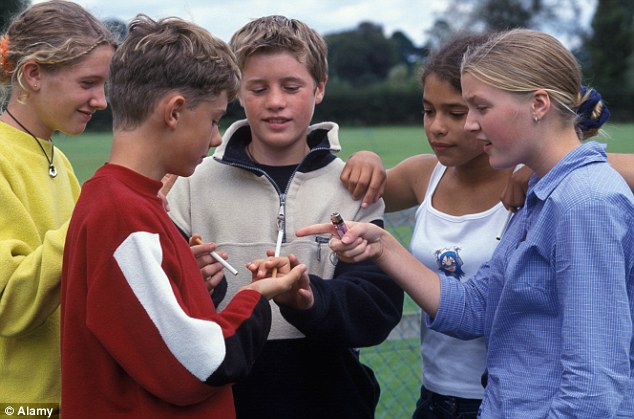
Another aspect of smoking and drinking that I don’t think is discussed enough is the way it is portrayed in the lives of young teenagers. My oldest sibling is my fifteen year old brother. In the past year, he has begun drinking and smoking weed. Luckily, he has not gotten involved in tobacco products and has no interest in doing so. He talks to me the most about his habits because I am the older sister and what fifteen year old wants to admit drinking and smoking to his parents? When I asked him why he started, he told me that all of his friends do it. We all know peer pressure is a dangerous and, sadly, effective way of getting kids into bad habits. However, the misconception that doing these things makes you “cool” is too commonly and quickly accepted in my brother’s age group. It is growing epidemic and I don’t see it ending any time soon.

Overall, I think that the age at which people are engaging in smoking and drinking habits is decreasing. My brother and my friend are both underage, neither being twenty one. I fear for both of them now knowing more about the health effects of smoking and drinking. However, I know I can help both of them. It is just a tough position to be in.

Day 1

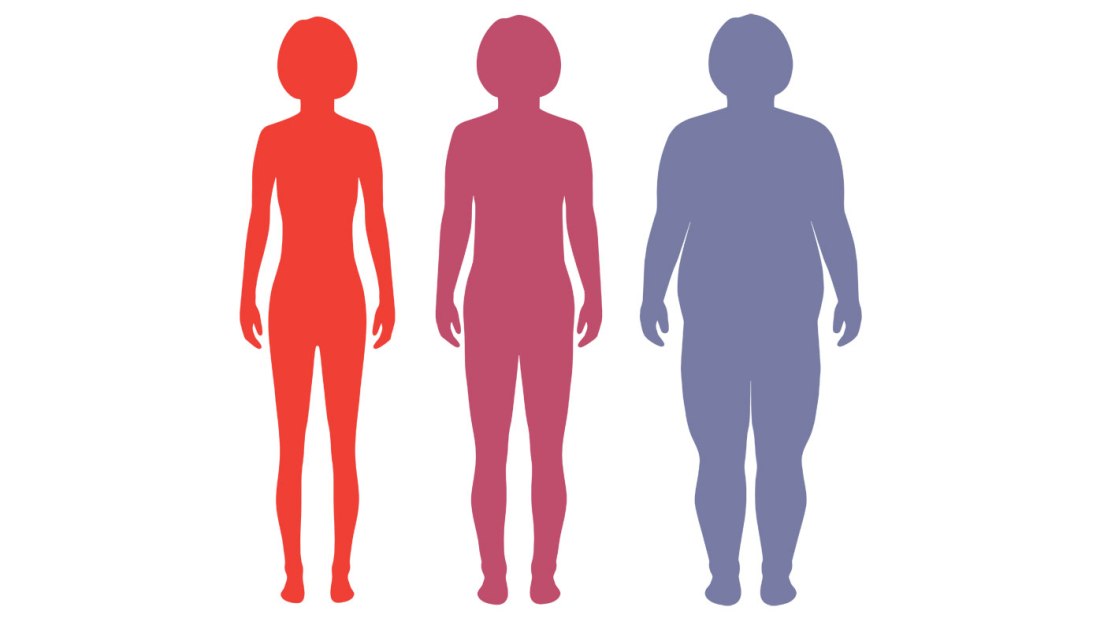
So with classes starting tomorrow, I figured it was a good day to start my blog. I guess I should introduce myself first. My name is Meghan and I am 21 years old. I’m a senior studying Mathematics and I plan to be a highschool math teacher after graduation. Although I plan on pursuing a career in mathematics, I have always been focused on the importance of health and fitness in every day life. I come from a family where the women and men are all overweight. That sounds harsh, but it’s the reality of my situation. Because of my genetics, I have always struggled to keep my weight in healthy boundaries.

I think the most important piece of information I learned about weight and health, is that weight is more than just a numerical value. Often when people look at the number that pops up on the scale, they see it for what it is: a number. However, there are two very important elements that go into that number: fat mass and lean mass. For example, fat has a lower density than muscle, which makes it weigh less. So, a higher weight does not necessarily mean someone is unhealthy. This ratio is what I will be following throughout the semester in my own body.

My overall goal is to maintain a healthy weight and increase my muscle mass. I want to do this in order to better tone my body and to feel comfortable and confident in my own skin. It also just so happens that this semester ends near the beginning of the summer. Conveniently enough, I think this semester will help me get that summer body I want for myself.

I look forward to learning more about your health journeys and hope that you all enjoy following mine along with me!