Chapter 15: Health Care and Consumerism

Hey everyone. It’s crazy to think that this is our last blog post. Chapter 15 discusses consumerism, healthcare, and complementary and alternative medicine. Knowing yourself and your own health is important in order to practice adequate self-care, which is critical for responsible consumerism. It is also necessary to know when self-care is the best option, and when it may be time to see a doctor. For a light headache after a stressful day, which I’m sure most of us experience, get some rest, drink some water, and maybe take an ibuprofen. However, if a headache turns into a fever of 104, it’s probably a good idea to see a doctor. The placebo effect is something I find very interesting. The mind is a powerful thing when it comes to influencing the body and how you feel. The chapter defines it as an apparent cure or improved state of health brought about by a substance, product, or procedure that has no generally recognized therapeutic value. For example, giving someone a sugar pill to treat a headache may alleviate their symptoms.

The first step in entering the world of healthcare is to pick a healthcare professional that is right for you. You want to choose someone that listens and communicates well, has the right credentials, is affiliated with an accredited medical facility, and is in your health insurance network. As a patient, you must also be sure that your healthcare provider is honoring your rights including the right to informed consent, confidentiality, access to your medical records, continuity of care, and the right to courtesy, respect, and attention.

There are different types of health care providers, just like there are different types of doctors. Allopathic medicine, or conventional health care, is the traditional Western medical practice based on the idea that illness results from harmful environmental agents like infectious microorganisms and pollutants. These practitioners are what we commonly think of when we think of doctors: osteopaths, ophthalmologists, dentists, nurses, nurse practitioners, and physician assistants. Any of these people can prescribe drugs. Prescription drugs can only be obtained with a written prescription from a physician, but over-the-counter drugs can be purchased by anyone. The chapter also outlines the dangers of purchasing prescription drugs online, which I did not even know was possible. It says to buy only from state-licensed pharmacy sites based in the U.S., don’t buy from sites that sell to people without a prescription, use only legitimate websites of licensed pharmacies, and do not provide personal information online.

Complementary and integrative, or alternative, health care offer a wider range of options for patients and while research shows the effectiveness of some, other options have not been proven effective. An estimated 40% of adults use alternative medicine and more are women than men. They are also people with higher education, with head, neck, back or joint pain, and gastrointestinal or sleeping disorders. The most common complimentary therapies among U.S. adults are in order as follows: natural products, deep breathing, yoga, chiropractic medicine, meditation, massage, special diets, homeopathic treatment, progressive relaxation, and guided imagery. Complimentary medical systems include traditional Chinese medicine, which focuses on the balance of the body’s energy source, qi, Ayurveda, which has to do with the ”science of life”, homeopathy, with the “like cures like” mindset, and naturopathy, which sees disease as the body’s effort to ward off impurities from the environment.

Mind and body practices are complimentary health approaches that are only practiced by professionals. Examples of manipulative therapies the chapter offers are chiropractic medicine, massage therapy, and bodywork, which is the broad term for movement-based therapy. Energy therapies focus on energy fields in the body. Examples include acupuncture, which uses strategically placed needles, and acupressure, which does not involve needles. Other options are qigong, reiki, therapeutic touch, and healing touch. Mindfulness meditation is another example of a mind body practice with benefits ranging from reducing anxiety, preventing and treating depression, to increasing body satisfaction and self-love.

Natural products and supplements, such as herbs, are found in about 25% of drugs that we use today. The chapter offers a detailed table of various natural product and supplements and their potential uses and benefits. When deciding whether or not a treatment or supplement is safe to use, gather information on any and all treatments being considered, and look for the USP certified mark.

The next part of the chapter, believe it or not, was fun for me to read. My father is an insurance broker and has his own company that sells insurance policies to other companies. I have worked with him in this business since I was 12 years old, so it was nice to read about a topic that I know a lot about. People without health care are less likely to seek healthy treatment, whether it be immunizing their children, seeking prenatal care, receiving annual blood pressure checks, and simply seeking attention for symptoms of health problems. Private health insurance is financially broken down into three main elements: deductibles, co-payments, and coinsurance. Deductibles are costs that are paid before your policy kicks in. Co-payments are set amounts that you will pay for specific services such as ER visits, x-rays, and regular doctors visits. Coinsurance is the percentage you pay based on the terms of your policy. All insurers set limits on types of covered services; no plan provides unlimited coverage, and the ACA has made annual upper limit or lifetime limits on coverage illegal.

Different types of health insurance include managed care, Medicare, and Medicaid. Managed care is a health care system that consists of a network of providers, such as HMOs. Medicare covers about 99% of people over the age of 65, all disabled people, and all people with end-stage kidney failure. Medicaid is a federal-state welfare program for people facing financial hardship, who are blind, disabled, elderly, or eligible for Temporary Assistance for Needy Families.

The Patient Protection and Affordable Care Act of 2010 made it mandatory to provide a means for all Americans to have affordable health care. It states that insurers are required to cover many preventative services, cover young adults under their parents’ plans until the age of 26, cover prescription medications, preexisting conditions cannot be denied coverage, no annual and lifetime limits on benefits are allowed, Affordable Insurance Exchanges facilitate consumer shopping and enrollment, and that small businesses qualify for special tax credits. In terms of cost in the health care system, the chapter tells us that insurance companies that spend less than 80% of their premiums on medical care have to send their enrollees a rebate and that actions must be justified for a rate increase of 10% or more. As of now, stricter screening procedures and punishments are helping to reduce fraud. The chapter also outlines the debate over universal coverage, illustrating the standings of both sides. The quality of United States health care is better than that of many other places around the world. However, we are nowhere near the top. There is still a long way to go to better our health care system and make quality care available to everyone.

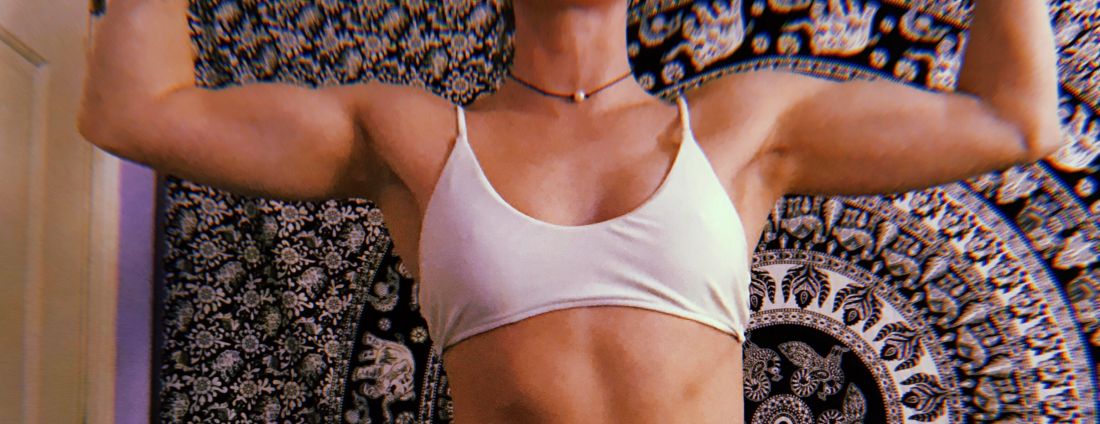
Looking back on my personal goal, I believe I have succeeded in achieving an increase in my muscle mass. I started the semester at 130 lbs with 26.4% body fat, 23.1 BMI, and a waist to hip ratio of .7. My lean mass was 95.67 lbs out of the 130. I am now at 123 lbs with 20.9% body fat, 21.3 BMI, and a waist to hip ratio of .72. And my current lean mass is at 99 lbs out of my 123. To find this information I have been using my uncle’s program called BodyEvolver. This is not the type of goal that can be tracked every week because the changes can’t be observed on that regular of a basis. However, comparing these two check ins makes it clear that I have stuck to my plan, and more importantly, that my plan has worked. I am feeling great and feeling confident in the way I look. Thank you all for following this journey with me and congratulations to all of you for achieving your personal goals. I hope everyone keeps it up!

Chapter 14: Environmental Health

Chapter 14 takes a step back from personal health to environmental health. It starts with overpopulation. As of right now, the world population is a little more than 7 billion. The United Nations predicts that by 2050, this number will grow to 9.3 billion, and by 2100 will explode to over 12 billion, assuming a fairly constant fertility rate. Factors that affect population growth include changes in mortality and fertility rates, and changing growth rates. Overpopulation impacts other species and our food supply, land degradation and contamination of drinking water, and energy consumption.

Air pollution refers to the presence of suspended particles and vapors not found in clean air. These pollutants can be either naturally occurring or anthropogenic. Components of air pollution include sulfur dioxide, carbon monoxide, ground-level ozone, and more. Photochemical smog is a brownish haze produced by reaction of sunlight with hydrocarbons, nitrogen compounds, and other gasses found in vehicle exhaust. The Air Quality Index, or AQI, lets us measure how clean or polluted the air around us is. Other forms of air pollution include acid rain and ozone layer depletion.

Indoor air pollution can be much more dangerous than regular air pollution because it is concentrated into a smaller space. Prevention focuses on three areas: source control, ventilation improvements, and air cleaners. The biggest source of indoor air pollution is environmental tobacco smoke. Others include home heating, asbestos, formaldehyde, radon, lead, mold, and sick building syndrome. Indoor air pollution is also associated with asthma. Extrinsic, or allergic, asthma is triggered by an allergy and develops in childhood. Intrinsic, or nonallergic asthma, can be triggered by anything that is not an allergy. Asthma rates are growing as indoor air pollution grows, showing an increase in 30% in the last 20 years.

Global warming and climate change have been all over the news. We see pictures and videos of the polar bears losing their coats, and ice caps melting. But global warming and climate change are real and should be taken seriously. Climate change refers to the shift in typical weather patterns, and global warming is a type of climate change where the average temperature increases. Reducing the threat of global warming can be done by reducing fossil fuel consumption and shifting to alternative energy sources. If we keep using up our resources the way we are, there will be nothing left for the coming generations. Sustainable development refers to development that meets the needs of the present without compromising needs of future generations. This is something I had never heard of before reading this chapter, which I am surprised by. I think it is something everyone needs to be more aware of.

Water pollution is exactly what it sounds like. Water makes up 75% of the Earth’s surface, yet over half of its population faces a shortage of clean water. Water contamination is caused by point source pollutants, which come from a specific origin, and nonpoint source pollutants, which have various points of origin. Pollutants that pose the biggest threat are gasoline and petroleum products, chemical contaminants, polychlorinated biphenyls, dioxins, and pesticides.

Pollution on land can be caused by overpopulation; more people means more waste. Solid waste can be decreased by source reduction, recycling and E-recycling, composting, and combustion with energy recovery. Hazardous waste is defined as waste that can harm human health or the environment.

Radiation is energy that travels in waves or particles. We can’t avoid radiation, but luckily only some of it is harmful to human health. Nonionizing radiation, the “safer” kind, is produced by everyday things like television and microwaves. Ionizing radiation, the more dangerous form, has a recommended maximum exposure of 0.5 to 5 rads, or radiation absorbed doses, per year. Nuclear power plants produce high levels of radiation, but are said to be a safe and efficient source of electricity. Disposal of nuclear waste is risky. The possibility of a meltdown is even more dangerous. We’ve all heard of the Chernobyl meltdown; there have been movies made from the catastrophe.

 Though there is not much one person can do to save the environment, if we all work together we can have an impact. Obtaining the involvement of friends and families can have a lasting impact on your lifetime and the environment for future generations. Unplug your chargers when you aren’t using them, don’t go for the biggest TVs, and get involved in sustainability programs at school. My family doesn’t practice “being green” or recycling at all. However, after reading this chapter I think I may talk to them about starting. Something about recycling and taking care of the environment feels really good.

Approaching the last blog post, I am reflecting a lot on my personal goal. I am feeling great about the progress I’ve made and plan to continue the journey even after this semester ends.

Chapter 8: Nutrition

Chapter 8 is about something that is very important to me: nutrition. First, the chapter tells us about the digestive process and caloric needs. It provides a detailed look into the digestive process, the sequence of functions by which the body breaks down foods and either absorbs or excretes them. In terms of caloric intake, the chapter also outlines recommended nutrient intake including Recommended Dietary Allowances (RDAs), Adequate Intakes (AIs), Tolerable Upper Intake Levels (ULs), and Acceptable Macronutrient Distribution Ranges (AMDRs). A kilocalorie is a unit used to measure the absorbable energy in food. In terms of essential nutrients, the human body is made up of 50 to 70% water by weight. Dehydration is a state where the body is depleted of fluids. Water is needed for the body to carry out its normal everyday functions. That’s why it’s important to take more fluids when we are sick or working out in hot weather sweating out a lot of our bodies’ fluids. Proteins are also important to keeping our bodies healthy. It is a major component of cells and a key element in antibodies, enzymes, and hormones. It supplies a source of energy to cells when we are low on fats and carbohydrates. When protein is broken down into smaller units containing amino acids, we get more proteins that can’t be produced by the body on its own: complete proteins, which supply all essential amino acids, and incomplete proteins, which come from plant sources and lack one or more essential amino acids.

Carbohydrates, which I try to stay away from, are the next essential nutrient discussed in chapter 8. They supply us with the energy needed to carry out daily activity, which is why athletes practice “carbloading” before big games or practices. Carbs can be broken down into simple and complex carbohydrates. Simple carbs occur naturally in fruits, vegetables, and dairy, and are further broken down into monosaccharides and disaccharides. Complex carbs are found in grains, cereals, legumes, and some other vegetables and include starches and glycogen, and soluble or insoluble fiber.

Fats, which are popular in my personal diet, are even more energy dense than carbohydrates and are a significant source of our body’s fuel. Types of fat include triglycerides, cholesterol, high density lipoproteins (HDLs), and low density lipoproteins (LDLs). Each has its own properties and uses. Types of dietary fats are saturated fats, which come from animal sources, unsaturated fats, which come from plants and vegetable oils, and trans-fats. Of course, not all fats are good fats. Most trans fatty acids are found in unhealthy processed foods, which the FDA has since determined are not safe for consumption. My parents and I started the keto diet a few weeks ago. This diet involves eating high levels of fat to train the body to burn fat as its main source of energy after cutting out carbs. Although fat is important, no more than 10% of total calories should come from saturated fats, and no more than 35% should come from all forms of fat.

Vitamins are organic compounds that promote growth and maintain nerves and skin, produce blood cells, build bones and teeth, heal wounds, and convert food energy to body energy. The chapter provides a detailed table of water soluble vitamins.

Minerals are similar to vitamins in that they aid physiological processes within the body. However, they are inorganic. Major minerals are needed in large amounts, while trace minerals are only needed in very small amounts. The chapter also gives a detailed table of major and trace minerals.

Some foods are better than others; I think we all know that. Foods that offer benefits beyond their nutrients are called functional foods. They offer antioxidants, that protect against oxidative stress, and phytochemicals, naturally occurring antioxidants that protect against radiation and other threats. Some of these foods are salmon, yogurt, and cocoa. When it comes to packaged foods, determining nutritional values involves having knowledge of how to read a food label. The most important information is found at the top of the label. Start there and work your way down.

Starting a diet cannot be a spur of the moment decision. Planning a healthy diet makes it that much more effective. Dietary Guidelines for Americans are a set of recommendations for healthy eating that are revised every five years. The chapter also talks about the MyPlate food guidance system, which outlines the balance of calories, how to increase some foods, and how to reduce other foods. It helps us to understand serving sizes, to eat nutrient dense foods, reduce empty calorie foods, and how to balance diet with physical activity. Maintaining a healthy diet in college can be a challenge. Fast food seems to be one of the easiest means of eating in college: it is fast, cheap, and convenient. Even though most fast food options are unhealthy, try to order a salad or baked foods as opposed to fried, and do not be afraid to ask questions about the nutritional value of foods. In the dining halls, make the best choices you can. Don’t go for the chicken tenders or the steak and cheese sub, look for lean meats, hit up the salad bar, and again, ask questions or pass on advice to the employees. There are ways to be mindful of yourself when you are eating that will help you to be more responsible about it. Eat at a table, make food your focus and slow down and enjoy it. Many people eat until they are full, but you should eat until you are satisfied and give your body time to catch up.

More than 3% of American adults identify as vegetarian. Vegetarians and vegans can benefit from taking dietary supplements, which are intended to supplement existing diets. High doses of fat soluble vitamins can be harmful, or even fatal. The U.S. Preventative Services Task Force concluded that there isn’t enough evidence to recommend vitamins or minerals to prevent CVD or cancer.

There is a common misconception that organic foods are always better than nonorganic foods. All “organic” means if that the foods or beverages are grown or developed without the use of synthetic pesticides, chemicals, or hormones. The USDA National Organic Rule states that products labeled 100% organic are in fact 100% organic, products labeled organic must contain at least 95% organic materials, products labeled made with organic ingredients must contain at least 70% organic ingredients, and products labeled some organic ingredients contain less than 70% organic ingredients.

Food technology outlines how foods are manipulated. Food irradiation involves exposing food to low levels of radiation to lengthen shelf life, and genetically modified food crops involve insertion or deletion of genes into the DNA of an organism.

Many people think that they have food allergies, about 33%. In reality, only 5% of children and 4% of adults have food allergies. A food allergy is an abnormal immune response to a certain food or foods. Food intolerances can give stomachaches, but do not trigger an immune response. Celiac disease causes the malabsorption of nutrients from the small intestine, most often associated with gluten. Foodborne illness effects 1 in 6 Americans and cause about 128,000 hospitalizations and 3,000 deaths in the U.S. every year. Common illnesses are caused by bacteria and viruses like norovirus, salmonella, clostridium perfringens, campylobacter, and staphylococcus aureus. To avoid these bacteria, always wash your hands before eating, avoid cross-contamination, don’t wait too long to eat leftovers, and be careful with food temperatures.

As part of my goal is to decrease fat mass and increase muscle mass, I decided to join my parents in the keto diet. By cutting out carbs and focusing mainly on fats and proteins, our bodies have entered ketosis. Essentially, we have trained our bodies to burn fat as energy instead of using carbohydrates. The chapter surprised me in that fat is more energy dense than carbohydrates. So, that bit of information made me feel better about changing my body’s energy source. It was really hard for the first couple weeks. All three of us got sick as our bodies were changing. And, god, did I miss mashed potatoes. I love mashed potatoes. However, we’ve been using cauliflower as a substitute for normal potato dishes. Mashed cauliflower guys is really good. And it is a lot better for you. It has definitely supplemented my exercise plan and helped me to lose more fat at a faster rate. After a rough few weeks with my mental health, it feels good to at least have my physical health on the right track.

Chapter 6: Addiction and Drug Abuse

Chapter 6 was all about addiction and drug abuse. Addictions are broken down into substance addictions, involving drugs and alcohol, and process addictions involving gambling, shopping, eating, and sex. Symptoms of addictions are compulsion, loss of control, negative consequences, denial, and inability to abstain. The physiology of addiction concerns neurotransmitters in the body,  changes in tolerance, and the ugly process of withdrawal. Addiction isn’t caused by one single thing. Psychological and biological factors play a strong role in one’s susceptibility to addiction. Environmental influences include cultural expectations, societal attitudes, and social learning theory. If you are constantly around addictive substances and people using them, you are more likely to pick up the habit yourself. It should be the job of friends and family to help those who are dealing with addiction, but other times codependents and enablers only aid addicts.

Addictive behaviors include gambling disorders, compulsive buying disorders, and addiction to technology, work, exercise, or sex.

Drugs, being one of the most addictive substances, contain chemicals that occur naturally in the body and can therefore affect personal functions in many ways. There are many categories of drugs including prescription, over-the-counter, recreational, herbal, and illegal drugs, and commercial preparations. The chapter also outlines the different ways we interact with drugs: polydrug use, synergism, antagonism, inhibition, intolerance, and cross tolerance. It also talks about the difference between drug misuse, which involves using a drug for an unintended purpose, and drug abuse, which is the overuse of a drug. Though the two have different meanings, both can lead to addiction.

Over-the-counter drugs, or OTC’s, are common addictive drugs. When taken over the recommended dosage or combined with other drugs, OTS’s are abused. Those subject to abuse are sleep aids, cold medicines, and diet pills. About 6.4 million Americans over the age of 12 have used prescription drugs for nonmedical reasons, and 5% of college students surveyed in 2015 reported abusing prescription drugs, stimulants being the most common. Stimulants increase brain activity, but also increase anxiety and agitation. Close to 50% have tried illegal drugs at some point. College is a breeding ground for influences including positive expectations, stress, and mental health problems. However, there are also factors that prevent students from engaging in illegal drug use such as parental attitudes, religion, and staying involved on campus. Other illegal substances include cocaine, amphetamines, methamphetamine and caffeine. As college students, we are almost always exhausted. All-nighters, intense study sessions, all normal parts of being a student drive us to drink coffee. Luckily, I’ve never liked it. However, I don’t think people realize that the headaches some get from not having a coffee are actually a sign of withdrawal from the caffeine.

Marijuana, weed, is the most commonly used illegal drug in the U.S. It can be smoked, or ingested. THC is the active ingredient that gives you that “high” feeling, which is normally felt ten to thirty minutes after consumption, and usually wears off within three hours. Anxiety is a common side effect of weed, and is the reason why I do not smoke. I, like many, have tried it once. It made me anxious and paranoid to the point of nausea. So, I never did it after. The feelings made me scared, and I realized that people who feel this way could be dangerous. Mixing weed and driving is that dangerous. It reduces the ability to react and make quick decisions, and when mixed with alcohol the effects are even worse. Marijuana is also the most common drug detected in car crash victims. Long term effects of smoking include long conditions, increased risk of testicular cancer, and suppression of immune system. What surprised me the most was reading that marijuana smoke contains fifty to seventy percent more carcinogenic hydrocarbons than tobacco smoke. So, in a sense, weed can be worse than cigarettes. Despite all of this information, weed has several positive medical purposes, which is why it is being legalized state by state.

Depressants and narcotics are other examples of drugs. Depressants have the opposite effect of stimulants by slowing down brain function. Alcohol is the most commonly used depressant. Other depressants mentioned in the chapter are benzodiazepines and barbiturates, GHB, opioids (narcotics), and heroin. Hallucinogens, or psychedelics, create hallucinations and unusual changes in mood, thoughts, and feelings. Common hallucinogens are LSD, or acid, ecstasy, mescaline, psilocybin, PCP, and ketamine, or Special K. The chapter provides a detailed look into each of these drugs, but in the grand scheme of things they all mess with your head in a way that other drugs do not by making you “see things.” Inhalants are drugs that involve chemicals in the form of vapor that, like hallucinogens, cause hallucinations and create a euphoric effect. We’ve all heard the expression “huffing glue”, but glue is a common inhalant. Others described are rubber cement, paint thinner, lighter fluid, gasoline, amyl nitrite, and nitrous oxide. The last two are medical substances, which is why I think it is important for doctors to evaluate their patients’ susceptibility to addiction to administer these drugs responsibly. Anabolic steroids are artificial forms of testosterone that promote muscle growth and strength. They can be injected or consumed through pills. They can give you a high, but when you stop the psychological effects of withdrawal kick in. This can result mood swings, acne, liver tumors, kidney disease, and severe depression that could ultimately result in suicide. Luckily, the Anabolic Steroids Control Act of 1990 makes it illegal to possess or distribute steroids for any nonmedical purpose. Penalties for violating these laws include up to 5 years in jail and fines from $250,000 to $500,000.

Overcoming addiction is a challenge. It is not easy, and it is not pretty. It’s a lifelong process beginning with recognition of a problem. Intervention is a planned and structured confrontation by loved ones. It breaks down the barrier of denial and essentially forces the addict to acknowledge that they have a problem and to take responsibility. Treatments include rehabilitation, abstinence, and detoxification. Finding a treatment program involves considering all options. Consider staff with knowledge of your specific situation, seek medical supervision for a complete detox, and find something with structured aftercare to hold you accountable even after treatment. Despite best efforts, some people may relapse, or fall back into their old addictive habits. Mindfulness-based relapse prevention methods include group-based therapy and focusing on negative emotions and cravings, the two major predictors of relapse.

Overall, illegal drug use is far too prevalent in the United States. It costs about $193 billion per year, which includes health care expenses and prosecution. Although college seems to be the perfect field day for drugs, there are ways drug use can be prevented. Changing student expectations, getting parents involved, identifying the higher risk students, and providing treatment and recovery programs can all contribute to the prevention of on-campus drug use. In the bigger picture, stricter border surveillance, more severe punishment, enforcing antidrug laws and increasing connections between the government and private treatment groups can contribute to decreasing drug abuse in the whole country.

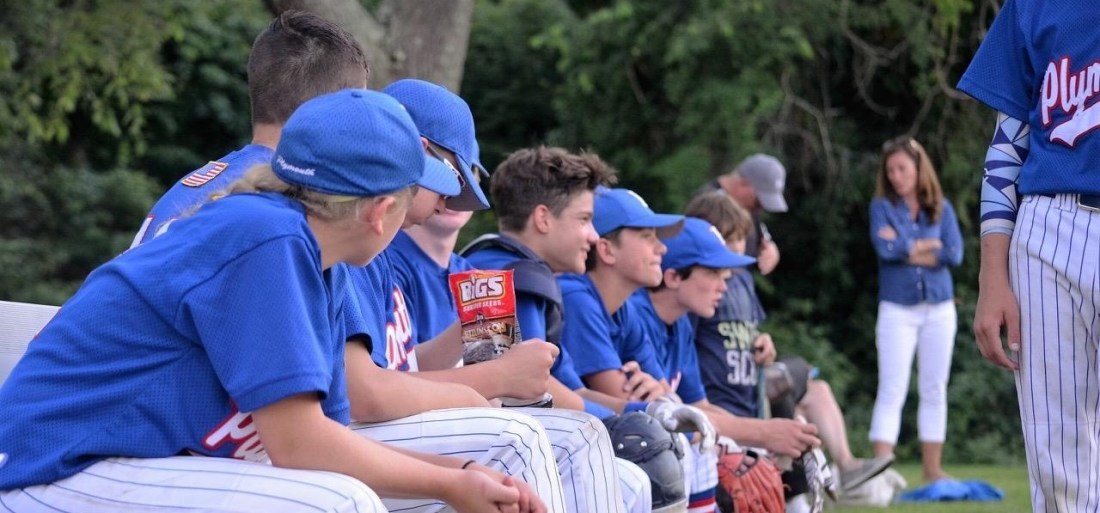
In terms of providing more on-campus services for drug abuse, I am all for prevention presentations. However, every time I see the Narcan boxes on campus I can’t help but think it is only making it seem okay for us to use drugs. It lets people know that there is an out for them if they ever get in trouble with drugs. Maybe that is insensitive or maybe I am biased because I’ve only ever tried marijuana once. However, I am heavily against drugs and engaging in addictive habits. My 16 year old brother has unfortunately gotten very involved in smoking. At first, it was just with friends or at parties, but recently my parents found that he’s been high almost every day for the past few months. It is sad for me to watch because baseball has been a huge part of his life since he was old enough to start T-ball. His current team is the featured image for this post. He’s been losing interest in everything, even his favorite sport. So, though I have never really done drugs, I have seen what their use can do to young users. This is why I don’t think solutions should be so readily available to make people feel “safer” while using. Everyone has their opinions and that is mine. This chapter was very informative and opened my eyes to the fact that addiction is not a choice. There are psychological and scientifically proven factors that make people predisposed to becoming addicts. I hope if any of you are struggling with this, that the chapter opened your eyes to treatment options the way it opened mine to the disease.

Chapter 5: Reproductive Choices

Chapter 5, following chapter 4 on reproductive choices, concerns reproductive choices. Practicing safe sex is important, but when talking about preventing pregnancy, the chapter introduces various barrier methods. These methods of contraception prevent sperm from reaching the egg by use of a physical or chemical barrier during intercourse. Options listed include the male and female condom, spermicides, the contraceptive sponge, the diaphragm, the cervical cap, and hormonal methods. Effectiveness varies among the different choices, but condoms are the most effective barriers.

Hormonal contraception refers to birth control with estrogen, progestin, or both. Oral contraceptives are more than 99% effective with perfect use, but they come with risk of high blood pressure, stroke, and other minor side effects, and must be taken around the same time every day. Progestin-only pills are safe for women over 35 and breast-feeding mothers, and are over 99% effective with perfect use. However, they can lead to irregular periods and spotting. Other hormonal methods include the skin patch, ring, injections, and implants, which do not need to be maintained every day. The patch and the ring are 99.7% effective when used correctly, but both require prescription and professional medical assistance. Injections and implants are also highly effective, but also require a medical professional. The IUD, or intrauterine device, is a small device that is inserted into the uterus via the cervix and can be effective for up to 10 years. This form of contraception is safe, discrete, and over 99% effective, and contain no hormones. However, this is an expensive form of birth control. I can speak from experience in saying the insertion is very painful and is not an easy process. Due to risk of complications resulting in infection or infertility, IUD’s are recommended for women who have already had children. Plan B, or emergency contraceptive pills prevent pregnancy by delaying the fertilization process. This is an after-the-fact method, if you are drunk or get caught up in a moment and engage in unprotected sex.

Not every method of contraception is medical or physical. Behavioral methods involve both partners altering their sexual behavior through withdrawal, abstinence, and fertility awareness methods, which rely on changing behavior to avoid sex during a woman’s most fertile times of the month.

Sterilization is a permanent form of contraception and has become the leading method for women over the age of 35. This should only be done in women that either do not want any children, or have decided that they do not want any more. The option stands for men, too. The risks of these procedures are surgical complications, and lack of protection against STI’s.

When choosing the right form of contraception for you, take the time to research the different methods. Talk to your doctor and see what he or she thinks is best for you. Also, ask yourself what you think is right. We know ourselves better than anyone, but sometimes a professional’s guidance is helpful and informative. If you are with someone who’s view of safe sex differs from your own, take some tips from this chapter to talk about practicing safer sex. Express your feelings and concerns.

Abortion, like the morning after pill, is an after-the-fact method of contraception. When birth control fails, or is not involved, unintended pregnancies are the result. This is where most abortions occur. In other even less fortunate cases of rape or incest, abortion is an option to avoid health risks to both the mother and unborn child. The chapter outlines the legal standings on abortion including the case of Roe v. Wade and new laws passed, the emotional aspects of abortion, and the different ways it can be performed.

Of course, not all pregnancies are unplanned or unwanted. When planning a pregnancy, take the time to think through it: think about your thoughts, your emotions, physical health, and financial standing. All of these factors need to be in order before bringing a child into the world. Once the pregnancy is real and acknowledged, it is important to gather information about the process. Expect physical changes. My friend had a baby last year (pictured above) and all she could think was that she was getting fat. Physical changes are to be anticipated, which is what I told her… repeatedly. A successful pregnancy begins with adequate prenatal care. This involves healthy diet and exercise, no drinking or drug use, and getting regular prenatal testing and screening. The process of child birth is borderline super human. The cervix dilates, there’s a hell of a lot of pain, and then you have a baby. Unfortunately, it’s not always that simple. Some complications can be prevented with a C-section, but others like preeclampsia and eclampsia, ectopic pregnancy, miscarriage, and stillbirth cannot.

The period after women give birth is not always as beautiful and miraculous as the birth itself. The postpartum period lasts six weeks after delivery. There are crazy changes in emotions, resulting in postpartum depression, breast-feeding, and in the worst case, infant mortality. The other negative side of pregnancy or childbirth is that some do not even get to that point. An estimated 10% of American couples experience infertility. Reasons can range from endometriosis to environmental contaminants. Treatments do exist including fertility drugs, alternative insemination, or in vitro fertilization. For those who cannot have a baby, adoption is always an option.

I have never been pregnant, so I cannot speak to the latter part of this chapter. However, I believe the reason I have never been pregnant is because I have always been responsible with birth control. I began using oral contraception in the form of the pill, but realized that I was not as responsible as I should have been with taking it at the same time every day. So, I decided to pursue other options. I ended up choosing the IUD because of the long term effects, and the lack of daily responsibility, and I stand by the statement that it is the best decision I have made regarding my reproductive health.

Chapter 4: Relationships and Sexuality

Chapter 4 goes into the topic of relationships and sexuality. It breaks relationships down into different types. The first being intimate relationships which are defined in terms of behavioral interdependence, need fulfillment, emotional attachment, and emotional availability. Types of intimate relationships include relationships with oneself, friendships, and romantic relationships. Sternberg’s Triangular Theory of Love explains the connections between types of love and how they interact. Relationships are hard. Any one of us that has been in one knows that. So, having a successful relationship involves work. Practicing respect, enjoying each other’s company, and communicating all contribute to keeping a healthy relationship. Also, choose wisely who you enter a relationship with. The best romantic relationships come out of a friendship. You know each other better, and know better how to handle issues such as jealousy, unmet expectations, and power struggles. With relationships, it is also important to be very careful with social media. It can either bring people closer together, or tear people apart. What the chapter says about this can be summed up simply: don’t be stupid. Don’t post while drunk, and be aware that everyone can see what you post forever. Also, if your ex is crazy like mine, change your passwords when you break up. When it comes to communicating, honesty is always the best policy. Be open with your partner by practicing self-disclosure. This means bringing up some of the uncomfortable stuff like sexual history, but it is necessary. It’s also important to know your audience. Genders communicate differently, and the chapter outlines key strategies in identifying patterns. Knowing how to talk is just as important as knowing how to listen. Have an open mind when talking to your partner: don’t snap, don’t be distracted, and absorb what he or she is saying.

Conflict happens, and that is out of our control. Knowing how to handle it and manage it can be broken down into steps: identify the problem, generate and evaluate possible solutions, decide on the best one and put it into action, and follow up. In a fight, tension runs high. So, talking can be a challenge. Always try to keep a level head and be specific about what you are feeling. Use expressions like “I feel” or “I think.” Also, it’s never a good idea to have arguments over text. You can’t hear someone or their tone of voice, so miscommunication is a lot easier to come by. For me and my person (in the picture above) we don’t really have a choice but to communicate through technology. He was deployed to Cuba in February, and that was hard. I miss him, but I know he’s doing what makes him happy. At the end of the day, that’s what keeps me happy for him and keeps conflict at bay.

Committed relationships are, in my opinion, the best relationships. You’re in it for the long run, which is everyone’s goal. These are relationships like marriage, cohabitation, gay and lesbian partnerships, or making the decision to just be single. There are also the relationships that don’t last and fall apart. When your partner becomes abusive either verbally or physically, it is time to get out. These fallouts are often due to criticism, defensiveness, stonewalling, or just good old hatred. The breakups are always hard. Hanging out with friends, letting go of the negativity, and resisting the urge to go for a “rebound” are all parts of the coping process.

The next part of the chapter focuses on sexual identity, how you identify with yourself as a sexual being. Sexual orientation refers to our attraction to others. About 1 in every 4,500 births result in DSD’s, or disorders of sexual development, in which people are born with both female and male biological characteristics. I’m sure at our age, we are all familiar with the male and female anatomy. However, the chapter outlines all of it in detail. The next part is for the ladies here. PMS, which a lot of people treat as an excuse for crabbiness during a woman’s period, is a real thing. The chapter explains it, and I’m sure some would do well to read it. Dysmenorrhea is the medical term for cramps, and menopause is when all of it ends.

Sexual response, or what we know as just sex, is broken down into the same phases for both men and women: excitement or arousal, plateau, orgasm, and resolution. The standards for these stages vary person to person and in reference to age. Nothing should really be considered “normal” or “abnormal”. Sexual expression can come in many different forms including celibacy, kissing, manual and oral stimulation, and intercourse. Some, that most don’t engage in, is known as variant sexual behavior.

Sexual dysfunction, which many face, is divided into problems with sexual desire, arousal, performance, or pain, and orgasm. None of these things are anything to be ashamed of, and should be openly discussed. Some sexual problems are the result of our own choices. 18% and 15% of college men and women, respectively, who drank alcohol in the past year reported engaging in unprotected sex. This poses the threats of STD’s, or unplanned or unwanted pregnancy. This is why it’s important to be mindful and responsible with our sexuality. Communication, again, is key, and knowing yourself is just as important.

Sexuality and relationships are both parts of our lives. They are things that should be talked about a lot more than they are and in a much more serious tone. Everyone talks about sex as if it’s some meaningless thing, but it is a serious topic and should be taken as such. When figuring out what I wanted to do for the rest of my life, I considered a career in sex therapy. Maybe I am more open than others about the topic, but I have always been a voice of reason for my friends. I think knowledge of sexuality and various types of relationships is important and should be shared. So, I enjoyed reading this chapter and was glad to see it as a part of this class.

In terms of my personal goal, a month or so into the semester I was having a hard time. Going back to my chapter 2 post, I have been struggling with depression and it was getting pretty bad at that point. Unfortunately, it was harder to stick to my diet. The stress and anxiety made me slip and eat kind of crappy and drink more. In turn, I fell off the wagon a little bit with the gym. Normally, I’d use it as an outlet for my stress and frustration, but a lack of motivation is my biggest side effect with depression. I did not want to do anything or be anywhere, but luckily a couple weeks of struggling did not affect my lean mass.

Chapter 3: Stress

Chapter 3 teaches us about stress. As college students, this is a highly relatable and important chapter. Tuition, roommates, dating, grades, life after graduation, everything we face every day makes us collegiate balls of stress. Key terms associated with this chapter are stress, stressors, distress, and eustress. Stress is the response our bodies and minds have to real or perceived challenges. Stressors are these real or perceived challenges that cause stress. Distress is negative stress, and eustress is the positive stress that promotes growth. Stress is also broken down into different categories: acute, episodic acute, chronic, and traumatic stress. Our body’s response to stress is amazing. General Adaptation Syndrome, or GAS, is made up of the alarm, resistance, and exhaustion phases. The alarm phase is when we perceive a stressor and our nervous system reacts. The resistance phase is when our body tries to resist these alarms and return to calm. The exhaustion phase is when our body comes down from this whole ordeal and returns to balance. The fight-or-flight response, also known as the alarm stage of GAS is the physical response we have to stress. The autonomic nervous system is the portion of the central nervous system that regulates the body functions that we cannot control, like heart rate and breathing. It is composed of the sympathetic nervous system and the parasympathetic nervous system. These responses to stress vary among men and women. Men are more likely to fight or fly, while women are more likely to “tend and befriend” through social support. These differences in responses are based on the way men and women perceive stress.

Stress not only influences our minds, but also our health in general. Physical effects include CVD, weight gain, alcohol dependence, hair loss, diabetes, digestive problems, and impaired immunity. Stress can also impact our memory and concentration through prolonged exposure to cortisol. Rates of mental disorders, like depression and anxiety, are also associated with environmental stressors. Sleep, which is hard enough to get as college students, can also be impacted by stress. More than 60% of students said they felt tired, or dragged out for three or more days in the past week. Unfortunately for us, sleep deprivation is associated with poor performance academically, weight gain, and even depression. It also compromises our immune system, leaving us susceptible to disease. Since we control how we sleep, though sometimes difficult, we need to take steps to make sure that we get enough quality sleep. The chapter provides a detailed list of ways we can do this.

Psychosocial stressors refer to social factors that impact our stress levels. These include adjustment to change, relationship problems, academic and financial pressure, and overall stressful environments. Although these are all external sources of stress, internal factors can be just as impactful. The way that we recognize stressors affects how we respond to them. Self-esteem and how we feel about ourselves also determines how we respond to stress. Our personalities can also be what cause our stress. Type A, C, and D are exceptionally prone to stress because of the way their minds work. Type B personalities make people more resistant to stress. Psychological resilience is our ability to keep our heads. Shift and persist is our ability to view stressors in a more positive light.

Stress is painful and extremely difficult to overcome. However, there are ways to manage it. Being in school makes a lot of us feel alone at times. However, we can take advantage of this to take charge of our own lives and make ourselves into the people we want to be. There are mental and physical approaches that are addressed in this chapter. Mental approaches include making a list of things you’re worried about, taking a deeper look into your personal stressors and their impact, listing your options, outlining and acting on a plan to manage your stress, and evaluating it. We can also use cognitive restructuring to adjust our negative way of thinking and break those habits. Mindfulness is another technique that is revisited in this chapter. It allows us to bring more awareness to our thinking patterns and refocus our stressful thoughts. Cultivating happiness involves positive emotion, engagement, relationships, meaning, and achievement. Physical action can also be taken against a mental threat. Exercising, getting enough sleep, self-nurturing, and eating right can all help to manage stress. We can’t avoid all of life’s stressors, but we can train ourselves to react differently to them. Dispositional mindfulness refers to the awareness of our own thoughts, feelings, and reactions. To practice it, start a journal, examine causes of stress, live in the moment, take a step back, and focus on the stressor.

It is also important to manage our emotional responses to stress. We cannot always control the actions and reactions of others, but we can control our own. Learning to laugh and be joyful even in the most trying of situations can help us to overcome those situations. One thing addressed in chapter 3 is learning to resist anger. This is an area of challenge for me. So, the tips provided in the chapter were great for me to read. Recognizing my anger patters and learning to de-escalate them, verbally or otherwise, should be my first step. The chapter then says to plan ahead, vent to friends (I am great at this), develop realistic expectations for myself, turn complaints into requests, and leave past anger in the past. I am notoriously good at holding grudges. It is not something I’m proud of, and I see how it affects my anger in the present. Making time for family and friends is also very important. Having a strong support system can be very powerful.

Money and time are both huge stressors. Time management can be a great tool in managing stress. Do one thing at a time, keep a clear desk, prioritize, find a comfortable place to work, reward yourself, work when you’re in the right mindset, and learn to say no. I am someone who tends to say yes whenever my friends ask to do anything. It has put me behind on work plenty of times, so learning to say no is something I definitely need to practice. Managing my finances is also something I need to practice. I spend too much which results in stress. The chapter proposes creating a budget, using credit cards wisely, and creating a financial inventory. It also suggests voluntary simplicity, or downshifting. I have recently decided to make this change for myself in order to save money to move out of my house. I have decided to stop going out with my friends for drinks or food, and I have plenty of clothes to keep shopping the way I do anyway.

Relaxation techniques have been practiced for centuries, and are still just as useful. There are plenty of options to choose from, which makes this management technique open to everyone. Yoga, diaphragmatic or deep breathing, meditation, visualization, and hypnosis are all examples of relaxation techniques. I have integrated yoga into achieving my personal goal. The weight training I’ve been doing to increase my muscle mass has also made my muscles very tight and sore. It is a good sore, but yoga and stretching helps with that tightness. It also keeps my muscles from growing to be too bulky. It lengthens and tones the muscles in a way that also relaxes my mind. So, I guess through seeking to achieve this goal I discovered a relaxation technique that is perfect for my mind and body.

Chapter 2: Psychological Health

Chapter 2 shifts focus to psychological health. Psychological health concerns the way we think, feel, relate, and exist in our day-to-day lives. The chapter introduces Maslow’s Hierarchy of Needs, working from the bottom up from survival needs, to security needs, to social needs, to esteem needs, all the way up to self-actualization.

Psychological health is broken down into mental, emotional, and spiritual dimensions. Mental health describes the way we think, emotional health describes the way we feel, social health describes our interactions with others, and spiritual health refers to a sense of belonging to something greater than just a physical world. Our psychological health can be influenced by many environmental factors such as family, support systems, and community. To better our psychological health we need to develop these support systems. We also need to form realistic expectations and goals for ourselves. Making time for ourselves and maintaining our physical health can also enhance our psychological health along with somethings as simple as getting enough sleep. All of these things are completely in our control, which means that we have a good amount of power over our psychological health.

Spiritual health does not necessarily refer to religious beliefs. Elements of spiritual health are relationships, values, and a sense of purpose in life. Maintaining spiritual health carries many physical benefits such as decreasing anxiety and depression, alcohol and drug abuse, blood pressure and risk of heart disease, increasing ability to cope with life’s challenges, and increases feelings of hope and optimism and overall satisfaction with life. The chapter also offers strategies to hone your spiritual health. Drawing attention into yourself through mindfulness, meditation, or prayer can promote spiritual health. Training your body and expanding your mind can have the same effects. Sometimes, when we cannot work alone, it becomes necessary to reach out to others. Having a healthy support system is important.

Psychological health is not always perfect. Everyone faces struggles with stress, anxiety, loneliness, financial challenges, and other traumatic events. “Thinking positive” is not always a fix. Mental illness disrupts thinking, feelings, moods and behaviors resulting in difficulties in day to day life. These illnesses plague about 20% of Americans 18 and older, and are the leading cause of disability for people aged 15 to 44. Anxiety disorders are the top problem in this category, affecting over 21% of people aged 18 to 64. Common anxiety disorders discussed in the chapter are generalized anxiety disorder, panic disorder, phobic disorder, social anxiety disorder, OCD, and PTSD. All of these can be caused by biology, environment, and social and cultural roles. Chronic mood disorders affect how you feel at any given moment. About 10% of Americans 18 and older suffer from a mood disorder. Common mood disorders are major depression, dysthymic disorder, bipolar disorder, and seasonal affective disorder. Major depression, being the most common mood disorder, affects about 8% of the American population. We all have heard of seasonal depression; reduced exposure to sunlight can cause a feeling of depression, which is why our moods tend to be worse during winter weather, or even on days when it rains. These disorders can also be caused by hormones, inherited traits, life events, or trauma, and do not look the same in everyone. They manifest differently across gender, age, and ethnicity. Other psychological disorders discussed in the chapter include personality disorders, schizophrenia, and learning disabilities and neurodevelopmental disorders such as ADHD, dyslexia, and autism. Psychological health changes as we age. Depression is the most common among older adults. Dementia also affects the older crowd. It is used to describe the progressive forms of brain malfunctioning causing forgetfulness and delusion. Two disorders associated with loss are bereavement and grief.

When psychological problems become too much to handle, suicide becomes a factor. This is a concern for people our age, as suicide is the leading cause of death on college campuses. It is important to identify and acknowledge warning signs of suicide, so it is great that the chapter lists some of them. The list is long, but some signs include a history of depression, change in personality or behavior, change in sleeping or eating habits, and focus on themes of death. If you see any of these markers in yourself or someone you know, preventing suicide is the next step. Monitor these signals, take them seriously and don’t belittle the situation, ask questions, propose solutions, and talk to someone. Seeking professional health is one of the strongest things a person can do. You need to think about different types of mental health professionals, be prepared for what therapy will bring, and accept any pharmacological treatment that may be proposed. Types of therapy that can be useful are counseling and mindfulness therapies. Counseling can be done through individual, group, dynamic, interpersonal, or cognitive therapy. Mindfulness therapies include mindfulness-based stress reduction, or MBSR, and mindfulness-based cognitive therapy. Seeking and accepting help can be extremely difficult. This chapter struck a couple chords with me. For the past year and a half, I have been struggling with depression. It is all consuming and impacts every area of my life. It is the reason why these posts are so late, and it is the reason that I am stressed beyond reason every day of my life. Some days it seems near impossible to get out of bed, and others I feel almost normal. Illnesses that are not plainly visible are hard for some to accept. People see blood and they think pain, but nobody can see feelings. It is important for us to acknowledge people’s pain even when we can’t see it. Support and acknowledgment are so powerful and underrated. Focusing on my goal for this semester has been helpful. I have made significant progress in increasing my muscle mass and seeing results is encouraging. It has been something to give me purpose.

Chapter 1: Healthy Change

Hey everyone. So you’re all going to be getting a few Facebook notifications from me posting these earlier assignments. I write about why they are so late in my post for chapter 2.

Chapter 1 provides us with an introduction to our own health. It discusses how the focus of health has changed over time: from the pre-20th century medical model that focused on the individual and his or her own body, to focus on disease prevention in the 1940’s. Today’s model focuses on the idea of wellness, which breaks down “health” into categories such as physical, social, intellectual, emotional, spiritual, and environmental health. Each one focuses on the health a person displays in reference to their titles. For example, social health references interpersonal relationships with friends and family, while physical health refers to a person’s body. Our health is mostly dependent on our own choices. Obesity is a leading health problem in the United States and it is caused simply by overeating and poor dietary and exercise choices. The four leading causes of chronic disease are tobacco use, excessive alcohol consumption, lack of physical activity, and poor nutrition, all of which are up to us to control.

The chapter also talks about Healthy People 2020, which includes four long-term health objectives: measures of general health status and health-related quality of life and well-being, determinants of health, and measures of disparities and inequity.

In terms of what impacts our health, some influences are in our control while others are not. Biology and genetics are out of our control. However, individual behaviors are completely in our control. We have the power to avoid the four leading causes of chronic disease, but we must make the decision to do it. Health disparities including race and ethnicity, sex and gender, sexual orientation, and disability are all examples of things we cannot control, but all influence our health anyway.

Mindfulness, the nonjudgmental attention to the present moment, has a huge impact on our health. Practicing mindfulness can bring pain relief, lower anxiety levels, improve sleep quality, result in weight loss, reduce risk of cardiovascular disease, and improve overall health. One way to practice mindfulness is to practice yoga. The physical practice draws attention from the world into oneself. Cultivating compassion, starting each day with a purpose, and evaluating how you cope with challenges are all other ways of practicing mindfulness.

The chapter also proposes various models of behavior change. The health belief model, or HBM, states that before change can happen, there must be perceived seriousness and susceptibility to the health problem, perceived benefits and barriers, and cues to action. The social cognitive model, or SCM, proposes that change is motivated by social environment, thoughts or cognition, and our own behavior. The transtheoretical model addresses the stages that prepare us for change: precontemplation, contemplation, preparation, action, maintenance, and termination. These stages may not be met in order. It is possible to skip steps or get stuck between a few. Precontemplation and contemplation are broken down into their own steps: step one is to increase awareness, step two is to contemplate change, and maintaining your motivation is a big part of these stages. The preparation stage is where we prepare for change. Here, you must set a “smart” goal that you will stick to, and you can also enlist the help of friends and family. The action stage is where you begin to take action to change: visualize the behavior, maintain control of the situation, and document your actions.

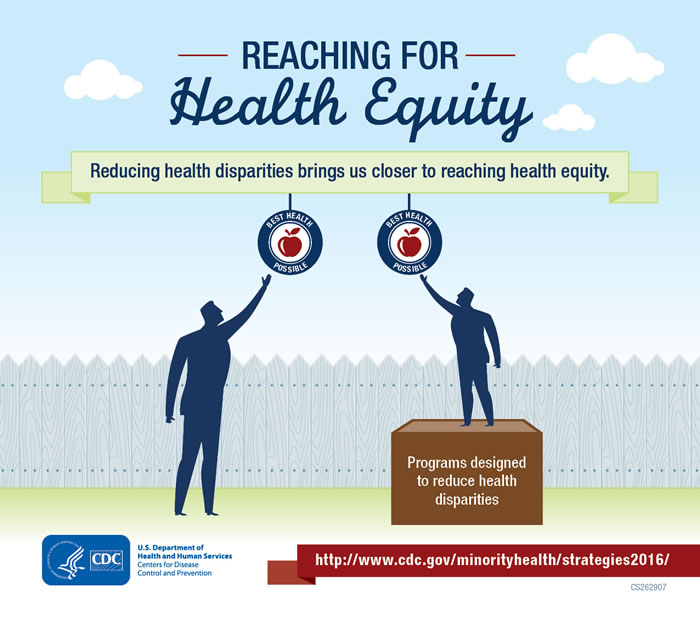
We face many health disparities in the U.S. population that make achieving health equity a challenge. Health equity works to prevent factors such as poverty and discrimination that undermine health. Health disparities reflect an unfair distribution of health risks and resources and are high in a society lacking in health equity. The age gap in our population is increasing at a rapid rate, the LGBTQ community has more than doubled, and changes in religious affiliation have also increased. All of these changes contribute to the ever-increasing diversity in the United States.

Social determinants of health discussed in the chapter include economic stability, educational attainment, discrimination, health literacy, and our environments. There are steps we can take to promote health equity. With increasing diversity comes an increase in discrimination. Being aware of our attitudes is important to avoid health disparities. We can also improve the living standards and fight to have adequate health care provided to all members of our communities. Not all of us are health care professionals, so the control we have over the field is limited. An increase in minority providers can be powerful as minorities are likely to seek healthcare from providers of their own race. An increase in diversity training can help providers to communicate effectively with other races. Overall, access to health insurance needs to be expanded to be available to everyone. Other ways to reduce health disparities include improving communities with affordable housing and increased neighborhood walkability, establishing after school programs, building community gardens, and using libraries and community centers to promote health literacy.

“Health” is a big word. There are some things in our control while others are not. We need to take full advantage of the changes that we are able to make. We can work to avoid health risk factors for ourselves, and we can practice mindfulness to keep a healthy attitude towards others who are different from us. If we all work together to keep healthy minds and healthy bodies, we can improve the overall health of the United States population.

Chapter 13: Violence and Unintentional Injury

Violence-the international use of physical force or power, threatened or actual, against oneself, another person, or against a group or community, that either results in or has a likelihood of resulting in injury, death, psychological harm, maldevelopment, or deprivation (World Health Organization). Chapter 13 tells us all about violence and unintentional injuries. It discusses the ever changing crime rates in the United States and the different kinds of factors that contribute to violence. As a college student, the section on campus violence stuck out to me. We get emails all the time concerning campus safety and reports of violence, and still the chapter tells us that less than 25 percent of campus violence goes unreported. Community contexts, societal factors, differences in religious beliefs, and other factors are all factors contributing to violence and a college campus is a breeding ground for these factors. People who experience anger that drives them to violence usually experience a triggering event leading to primary and reactive aggression. Interpersonal violence is between two people or groups. Homicides, hate crimes, domestic violence, child and elder abuse, and sex crimes are all classified as interpersonal violence. Homicide is the second leading cause of death in people ages 15 to 24. The chapter also describes the different kinds of hate crimes and the groups they affect. Domestic violence occurs in the home environment and is usually the result of someone trying to control the household. Intimate partner violence (IPV) falls under the category of domestic abuse and is a problem between couples. It is broken down into three phases: tension building, incident of acute battering, and then the remorse and reconciliation. Child abuse, maltreatment, and neglect are inflicted upon children, and elder abuse is inflicted upon elders.

Sexual victimization involves the coercion of one party to engage in ,or endure, the sexual act of

another. There are many kinds of sexual victimization. The chapter gives us details on sexual assault, rape, aggravated rape, simple rape, and marital rape. It also discusses the Sexual Assault Victim’s Bill of Rights, or the Ramstad Act, which gave victims of sexual victimization the right to call off-campus authorities to investigate allegations and required that universities develop programs to educate students on sexual assault. Social contributors to sexual victimization include trivialization, victim blaming, and pressure to be manly created by male misperceptions and socializations. Sexual harassment and stalking also fall under the umbrella of sexual victimization despite the fact that neither involves physical contact.

Collective Violence, or group violence, is related to political, governmental, religious, cultural, or social conflict. Gang violence covers about 48 percent of violent crime in the United States, and gang membership is currently over 1.4 million. The prevalence of gang involvement is probably why gang violence accounts for such a high percentage of violent crime. Terrorism also falls under collective violence as the “unlawful use of force or violence against persons or property to intimidate or coerce a government, the civilian population, or any segment thereof in furtherance of political or social objectives.” I personally believe terrorism is the most terrifying kind of violence because you never know where or when it could happen, and it can affect hundreds or even thousands at a time. Avoiding violence can be difficult because we cant control the thoughts or actions of other people. However, Chapter 13 gives us some strategies to try. Social media is a dangerous platform, so we need to be careful what we post and who we meet from social media. Learning self defense can also be a helpful tool in avoiding violence. It can help to protect ourselves against rape and other forms of physical violence. The chapter tells us to be strong and show our strength. Don’t necessarily try to intimidate a potential attacker, but also let them know that you are not one to be messed with. If these techniques don’t work, call 9-1-1, do not change or shower, and contact the rape assistance hotline. If you have a friend who has been rapes, believe them, counsel them, and encourage them to do what is best for them. Make sure they know they are safe with you, and make sure they know you do not doubt them.

College campuses have taken steps to respond to violence including emergency response drills, message systems, and the reverse 9-1-1 system. They have also improved lighting and security, placed call boxes around campus, removed shrubbery where attackers could lurk, implemented safe ride programs and policies against hazing. Campus law enforcement has stepped up across the country to defend students against potential violence. Community involvement is also very important as we must all work together to control what we can control to reduce violence in our communities.

Not all injuries are the product of violence. There are situations in the world that we cannot control that can hurt us, but there are also some things we can do to prevent other situations. Car accidents claimed more than 33,500 American lives in 2012. Accidents are exactly that, accidents. However, many are caused by distracted or impaired driving, and speeding. These are all factors that we can control. The easiest fix is to simply drive responsibly. We can also make sure that our vehicles are in safe driving condition. Vehicle safety issues and malfunctions are all contributors to motor vehicle accidents. Our moods can be dangerous, as well. Everyone gets frustrated while driving, but road rage is where the frustration crosses the line. To avoid road rage, the chapter suggests avoiding eye contact and engagement, fighting the urge to antagonize, not leading a follower to your home, taking down names, and staying calm in trying situations.

Cars are not the only culprits when it comes to unintentional injuries. The chapter also highlights the potential risks in recreational vehicles such as skateboards and bikes. When operating either of these it is important to always wear a helmet and remain aware of your surroundings. I’ll speak for myself when I say I always tense up a little bit when I am driving and I see a biker or skateboarder on the road. A lot of times, these people do not ride with the same traffic laws as drivers. So remember, use hand signals, ride with the flow of traffic, and just use common sense.

There are also recreational activities that have nothing to do with roads, but carry the same potential for injury. Snow and water sports can be very risky if not done with the proper precautions. When skiing or snowboarding or partaking in any snow sports, always wear a helmet, make sure your equipment is in good working condition, and don’t try to get fancy. Everyone wants to do the black diamond, but some should stick to the bunny hill. Also, it is important that you pay attention to those around you. Some people may not be as aware and we have no control over those people, but we can control ourselves and our own awareness. The same can be said  about any activities done in an aquatic setting. Be aware, be careful, and always avoid drinking before these kinds of activities. Also, never swim alone. If you ever get into trouble with no one around, you’re in some serious trouble. With water sports specifically, it is useful and wise to learn CPR. I am certified, and I will say it definitely gives me peace of mind when out on the lake with my friends.

There are plenty of other ways we can sustain unintentional injuries. One that surprised me was the possibility of injury from excessive noise. As someone who loves going to EDM concerts, this was a part of the chapter that caught my attention. It tells us that noise levels above 85 decibels increase risk hearing loss. Judging by the chart given in the chapter, 85 is low compared to concert level noise, which is closer to 130 decibels. Luckily, I don’t go to concerts very often. So, hopefully my hearing will stay in tact. Injuries are also sustained at home all the time. Fires and falls are highlighted in the chapter as two causes of household injuries, smoking being the number one cause of fire related deaths. So, take it outside people. Poisoning is in the mix with falls and fires. Cleaning products and chemicals that we often keep in our homes can become dangerous if not properly stored and labeled. Also, many of our homes have medications in them. Do not mix medications or take too much. This sounds trivial, but we need to be careful in order to avoid poisoning. A headache can result in an overdose of even the most basic medications.

Assuming that we all work, we need to be careful of workplace injuries too. I used to work in the produce department of a grocery store where I would have to lift heavy boxes of bananas or bags of potatoes and I was always sure to protect my back. Now I have a desk job and find that sitting for so long hurts my back even more. I decided to use a yoga ball instead of a chair and it has improved my back pain immensely. No matter what you do for work, always be sure to protect your back. Maintaining an overall healthy weight and lifestyle can help with this.

This chapter hit home for me, as I have been a victim of violence. As a child, I was unfortunate enough to live in a home with a man who had no respect for others and channeled his anger into violent reactions. I continue to suffer from mild PTSD to this day, but I have overcome the constant fear and aggression that results from it. Dealing with violence is just as difficult as enduring it. I believe this chapter is a valuable source of information to reference in learning how to avoid it.

The past week I definitely hit a little bit of a hiccup in following my plan to achieve my goal. My diet and exercise routine took a hit as I was completely overwhelmed with school work and actual work. I haven’t been eating as much as I should, and what I ate was not the high protein food I have been eating thus far. Easter certainly did not help either with my French and Italian side of the family being in charge of the cooking! However, today my family as a whole decided to start the keto diet. From here on out there will be little to no carb-foods in my home, and we will be eating healthy as a family. I think this will help me to get back on track because now I will have a support system that is embarking on this new way of eating with me!

P.S. With today being the first borderline warm day of the year, my friend and I decided to go to the beach to take some pictures, because I am becoming proud of the way I look again. (I realized once I was in a bathing suit it was not as warm as I thought!) My muscle tone has visibly improved, and I know I will only continue to get stronger.